
Why Food in Long-Term Care Often Tastes Bad, and How to Fix It
Dietary restrictions, allergens, textures and budgets collapse into one compromised recipe. Why small-batch robotic cooking is the way out.


After many site visits across long-term care communities, I noticed something no one seems to be saying out loud: the food almost always tastes the same. Bland. Overcooked. Stripped of joy.
This isn’t because chefs don’t care, or staff aren’t trying. The real problem runs deeper, baked into the system itself. And once you see it, you can’t unsee it.
The Recipe Problem
Every recipe in long-term care has to navigate a minefield of requirements:
- Dietary adaptations: low sugar, low sodium, heart-healthy, diabetic-friendly.
- Allergen avoidance: gluten, nuts, dairy, shellfish, and more.
- Texture requirements: meals soft enough for residents with dentures, varying levels of dysphagia, or simply low energy.
- Budget limits: little room for premium ingredients or real culinary creativity.
- Resident feedback: often driven by the most vocal residents rather than the silent majority
- Cultural expectations: specific meals that connect residents to their specific heritage.
When you pile all these constraints onto one recipe, taste doesn’t stand a chance.
What should be a flavorful chicken soup turns into a watery broth with barely any seasoning. Bright vegetables turn to mush because they’ve been boiled into submission so everyone can theoretically manage to eat them.
On one visit, I saw a resident stare down a plate of spongy chicken cubes in watery sauce, soggy broccoli boiled to exhaustion, and the same ball of mashed potatoes they’d eaten a dozen times that week. Quietly, they pushed the plate away. No complaint. Just a fork set down and a silent surrender of their lunch.
At the very next table, another resident ordered the exact same meal and seemed satisfied. And that’s the problem: one meal cannot possibly meet the needs, preferences, and expectations of every resident. Yet the system keeps forcing a standardized, one-size-fits-all recipe onto everyone.
Why Better Tasting Food Feels Impossible
In an ideal world, you’d have one flavorful version of a dish for most residents, and various modified versions for those with special requirements. Crisp vegetables for some, softer for others. Standard seasoning for most, gentler seasoning for those who need it. A low-sodium option for residents on renal diets, and normal sodium levels for everyone else.
But here’s the reality: cooking multiple versions of every dish makes no economic sense.
- It significantly increases the labor in kitchens that are already understaffed.
- It creates more food waste when customized batches go uneaten.
- It breaks the cost structure that operators rely on to stay financially sustainable.
So instead of cooking variants, kitchens default to a single version of each dish that “covers” all the requirements at once. Which raises the real question:
Why should 90% of residents have to compromise their meals just to accommodate the 10% that require special modifications?
This silent compromise is built into every long-term care menu, and it’s exactly why food so often falls short of what residents deserve.
The Breakthrough: Robotic Small-Batch Cooking
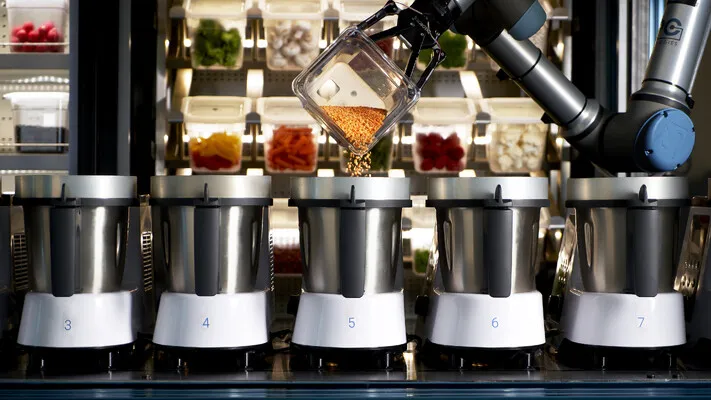
But it doesn’t have to be this way. With robotic small-batch cooking, kitchens can efficiently produce recipe variants, without ballooning costs or exhausting staff.
That means:
- Residents finally get meals that are both safe and enjoyable.
- Operators keep labor and food costs under control.
- Facilities meet all regulatory and safety standards while delivering higher quality of life.
The Bottom Line
Food is more than fuel. For many residents, meals are the highlight of the day, the moments of dignity, comfort, and joy that define their experience in your community.
The industry has quietly accepted “bad food” as inevitable. But it isn’t. With the right tools, long-term care operators can finally break free from one-size-fits-all recipes and deliver what residents truly deserve: meals that taste good, fit the budget, and meet every dietary and safety requirement.
At Chef Jasper, we believe you really can have it all. If you’d like to see how, let’s talk.

Keep reading
All articles →-
How Communities Can Reduce Food Costs Without Sacrificing Quality
Plate-level consumption data cut food costs by 10.2% on one assisted living floor, with no change to the menu.